

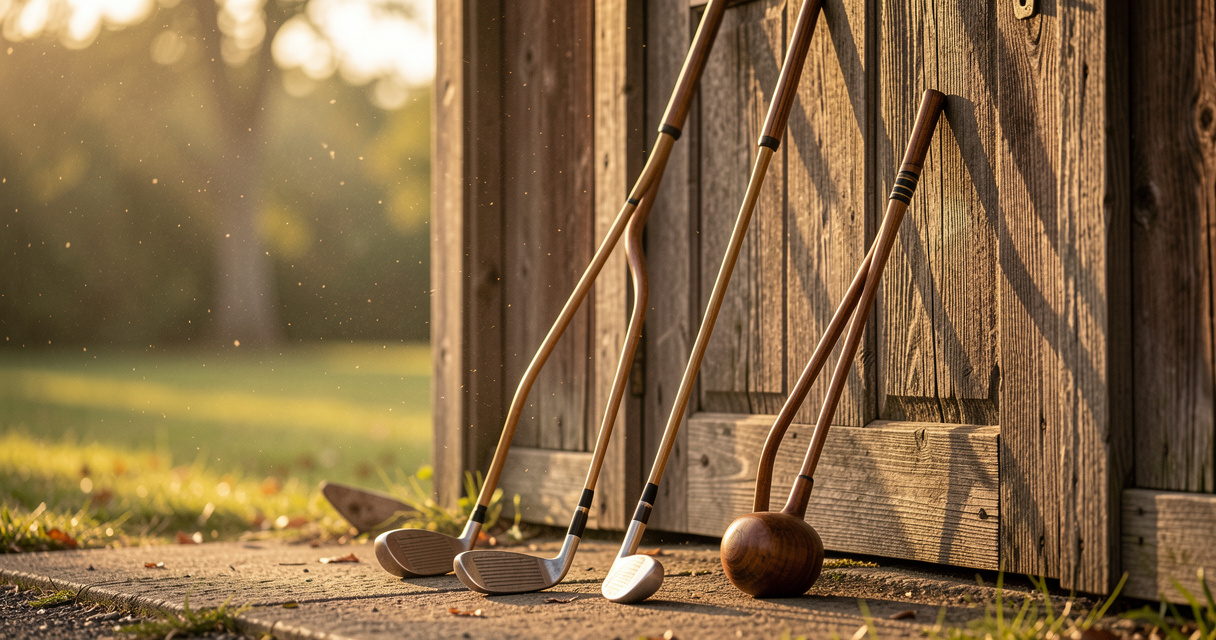
Reading time: 18 min
Key Takeaways
- Vintage golf set value depends on condition, rarity, completeness, and provenance, not simply age.
- Hickory, persimmon, and steel offer different playability and collectibility profiles; know the difference before you buy.
- Restoration is risky; preserving original patina and finish protects value more than a shiny refinish.
- Your plan for the set — play it, display it, or resell it — should decide what you pay and what you touch.
Did you know a documented vintage golf set once owned by Frank Sinatra sold for $17,300 at auction in 2017? That is one extreme. Every vintage golf set has a story, and knowing how to read that story is the difference between a $50 garage-sale buy and a five-figure collector’s piece.
Here’s the thing nobody talks about: the market is fragmented. eBay listings, specialty stores, antique malls, and single-owner estate sales each speak a different language. This guide sorts out that noise. It covers the true vintage golf set value equation, the difference between hickory golf clubs and persimmon, restoration rules, brands worth hunting, and where to buy without overpaying.
I have bought too much and passed on bargains. I have also played enough old clubs to know that the market rewards patience. The goal is simple: help you find a set worth owning.
Vintage Golf Set Basics: What Counts as ‘Vintage’ and Why It Matters
The first time I heard someone call a 1985 set ‘antique,’ I nearly dropped my coffee. The words matter because they change what you should pay and how carefully you should handle the clubs.
According to Vintage Golf Gifts (2026), clubs sold as decor and collectibles are often 80 to 100+ years old. Collectors usually reserve ‘antique’ for hickory-shafted clubs made before 1935. The term vintage is broader and can run through the 1980s. That overlap confuses buyers, and confusion is expensive.
A working vintage golf set definition starts with era. If the shaft is hickory, you are in the pre-1935 world. If the head is persimmon and the shaft is steel with a wood-like coating, you are in the transition era. If the set could have been in your father’s bag in 1988, it belongs to the classic modern era.
Hickory Era (Pre-1935)
A hickory club is a different instrument. It is lighter, softer, and far more responsive to tempo than modern clubs. When you pick one up, you are holding the same kind of club that Bobby Jones swung. The steel shaft transition in the 1930s may have changed the game, but it did not erase the hickory magic.
Persimmon, Pyratone, and Early Steel (1930s–1980s)
Persimmon wood golf clubs defined the golden age. The head is dense, the face feels sweet, and the ball flight is more controlled than most modern players expect. Pyratone appeared in this era as a coating that made steel shafts look like wood. It worked, and it also created a distinct look that collectors now chase.
Classic Modern Era (1980s–2000s)
These are the clubs your older brother left in the garage. Steel shafts, cavity backs, and eventually metalwoods. They are not old enough to be antique, but they are vintage golf sets to a growing group of buyers who want a familiar look and an easy transition into older clubs.
| Era | Shaft Material | Head Material | Collectibility Signal |
|---|---|---|---|
| Hickory (pre-1935) | Hickory | Wood (often persimmon) | Original shaft label, full set, no cut-down |
| Pyratone/Steel (1930s–1950s) | Steel with pyratone coating or bare steel | Wood and early steel | Matching numbers, original grips, pyratone intact |
| Classic Modern (1980s–2000s) | Steel | Persimmon or metalwoods | Brand name, complete bag set, condition |
Before you start comparing materials, remember why this era matters. Age alone is a clue, not a price tag. The next section explains what pushes vintage golf set value into five figures.
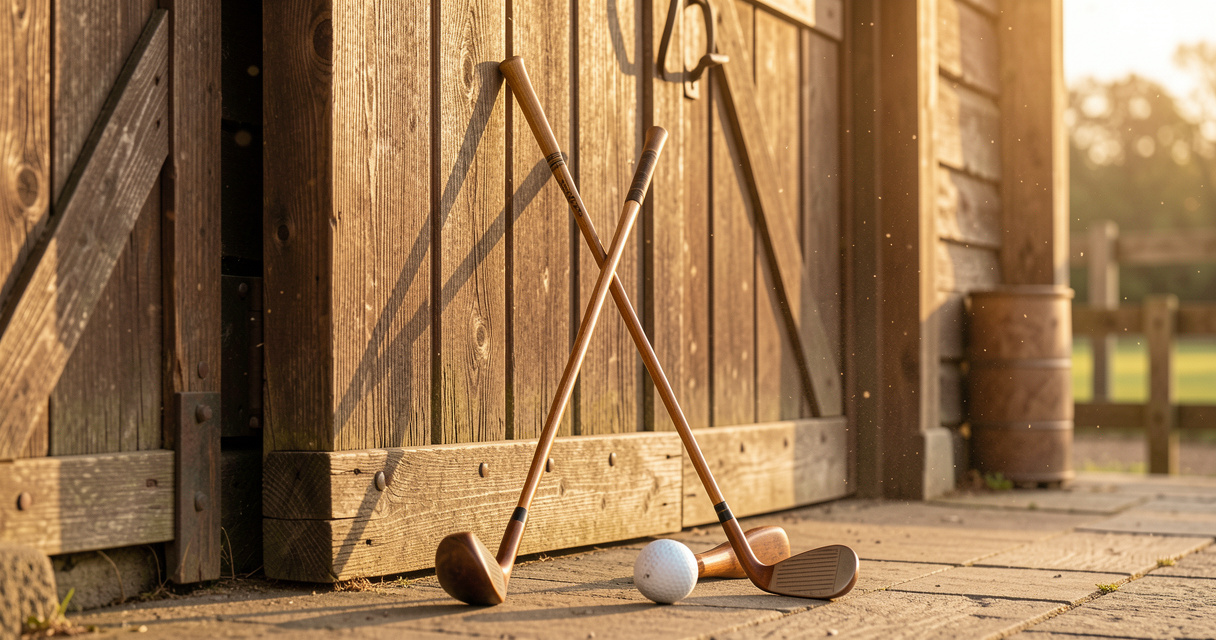
Why Vintage Golf Sets Are Suddenly Worth Thousands (2026 Market Insights)
Let’s start with a number that should make you look twice at every dusty bag: $17,300. According to Country Living — The Antiques Lover’s Guide to Vintage Golf Gear (2017), that was the price paid at auction for Frank Sinatra’s documented bag and set of golf clubs. That is not a typo. That is provenance.
Here’s the thing nobody talks about: most vintage golf set value follows an equation, not a price list. Condition plus rarity plus provenance equals value. A common MacGregor club with a cut-down shaft is a practice piece. The same model in full length, with a documented original owner, can be a museum piece.
The Provenance Premium
Provenance means the clubs have a history you can verify: a name, an event, a photograph, a letter. The Frank Sinatra Invitational putter from 1963 carries weight because only 150 to 200 of those putters were made, according to Country Living (2017). That rarity, plus the name, built the $17,300 result.
This is golf memorabilia with roots. A signed program or a scorecard can make a set unforgettable. Without that paper trail, you are simply buying old clubs.
Surviving Sets Are Rarer Than You Think
Most hickory sets were played hard, broken, and discarded. Full sets with matching numbers survived at a far lower rate. That scarcity is exactly why a complete vintage golf set with original bag is more valuable than the same clubs sold as singles.
The 2026 Buyer’s Market
Right now, serious buyers pay premiums for documented sets, while common singles and cut-down junior clubs sit in bargain bins. That gap is your opportunity if you know what to look for. It is also a warning: do not pay a provenance price for a set with no history.
Expert rule of thumb: Condition + Rarity + Provenance = Value. Never strip original finish.
Value alone will not tell you which clubs to swing. That decision comes down to material, feel, and your own patience. Let’s compare them directly.
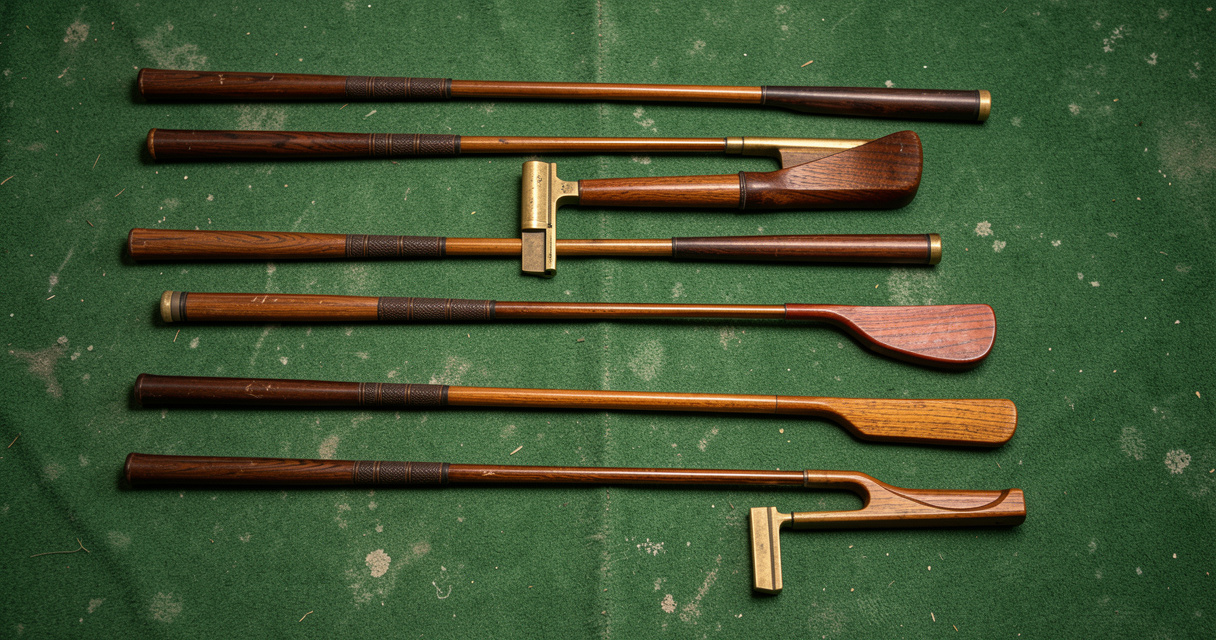
Hickory vs. Persimmon vs. Steel: Which Vintage Golf Set Should You Buy?
| Era | Best Choice For |
|---|---|
| Hickory (pre-1935) | Collectors and history purists who want the original Scottish game feel |
| Persimmon and steel (1930s–1980s) | Players who want vintage looks with more durability and easier upkeep |
| Classic modern (1980s–2000s) | Beginner buyers who want playable, affordable vintage golf sets |
That table is the short version. Here is the longer version, based on years of swinging both the good and the bad.
Hickory: The Collector’s Choice
Hickory golf clubs are not golf clubs the way you know them. They are lighter, softer, and more alive in your hands. They demand a tempo that modern golfers rarely practice. I’ve played that shot a thousand times with a hickory mashie, and it still teaches me something about rhythm. Bobby Jones figured this out in 1928, and 2026 has not changed the lesson.
Persimmon: Beauty and Playability
Persimmon wood golf clubs are where beauty and playability meet. According to Louisville Golf (2026), their hickory and persimmon clubs go through 200+ hand-touched steps. That number tells you why persimmon heads feel the way they do. A well-hit persimmon driver sounds like a solid crack, not a tin can.
Steel and Pyratone: The Transition Era
Steel shafted clubs are the easiest entry point for a modern player. The shafts are stable, the heads are familiar, and you do not need to learn a completely new tempo. But if you want the transitional look, pay attention to pyratone. According to Vintage Golf Gifts (2026), pyratone was used from the 1930s to the 1950s to coat metal shafts so they looked like wood at address. It fooled the eye and protected the ego. Some pyratone shafts survive in excellent condition; others chip and peel. Value depends on how much original coating remains.
| Material | Era | Feel | Durability | Best For |
|---|---|---|---|---|
| Hickory | Pre-1935 | Flexible, soft, lively | Low if played regularly | Collectors, historic play |
| Persimmon | 1930s–1970s | Solid, sweet, compact | Moderate; care needed at hosel | Players who want classic feel |
| Steel | 1930s–1980s | Stable, heavier, consistent | High | Modern players switching to vintage |
| Pyratone | 1930s–1950s | Steel feel with wood look | Medium; coating can peel | Transition-era collectors |
The game doesn’t owe you anything. A hickory set does not owe you distance, and a steel set does not owe you forgiveness. Choose based on what you will do with the clubs. If you are going to display them, buy hickory. If you are going to play them, buy persimmon or steel.
Once you know the material, the brand becomes the next clue. Some names appear in every estate sale. Others are rare enough to matter.
Top Vintage Golf Set Brands and Makers Worth Hunting For
MacGregor and Spalding are the names you will see most often. They mass-produced hickory clubs in the 1920s and 1930s, and many of those clubs were cut down for juniors or beginners. That is why a full-length, complete set from either maker is a welcome sight.
When collectors talk about MacGregor vintage golf clubs, they are usually after the early hickory models and the Golden Bear era later. A MacGregor Ironmaster putter in original condition is the kind of club you do not put down.
MacGregor & Spalding: The Mass-Market Giants
Both companies produced clubs in huge numbers. That means you can still find them in the wild, but it also means condition matters. A full set with matching shaft labels and no cut-down clubs is rare. A mixed bag of clubs from different decades is common.
Tad Moore and Louisville Golf: Modern Makers, Old Methods
If you want the old look without the hundred-year-old gamble, Tad Moore’s reproduction hickory sets are a clean path. Hickory Golf Store product listings (2026) put Victor Model hickory shafted golf clubs at $1,499 and Star OA hickory shafted golf clubs at $1,700. Louisville Golf builds handmade persimmon clubs with the same care the old craftsmen used.
Callaway Classics: The Modern Vintage
Callaway classic golf clubs from the 1990s and 2000s are another route. They are not antique, but they have strong brand recognition and can be bought through pre-owned programs with clear condition ratings. For a beginner collector, that consistency is worth something.
- Check shaft stamps and labels. Blurred photos are a red flag.
- Look at the grip condition. Original leather grips add authenticity.
- Confirm the head model is right for the era. A replacement head kills the set’s value.
- Verify all clubs in the set are original. Mixed brands may be fun, but they are not a complete set.
Once you have a candidate, fight the urge to improve it. Restoration is where most owners destroy value.
Vintage Golf Set Restoration: What to Restore, What to Preserve, and What to Avoid
Here is the blunt truth: most restoration erases the exact signs that make old clubs valuable. The market pays for original patina, original shaft labels, and original leather grips. A sanded hickory shaft is a value killer.
Before restoring anything, do this:
- Photograph the set from every angle.
- Record all stampings and shaft labels.
- Assess the original finish under good light.
- Check for loose heads and cracked shafts.
- Get a professional valuation before spending money.
The First Rule: Don’t Sand the Shaft
Sandpaper is the enemy. Hickory shafts carry stamps, labels, and a surface that tells its age. Sanding it down removes provenance and turns a rare club into a piece of firewood. The same rule applies to metal shafts: leave the rust alone if you want to preserve value.
When to Repair, Re-grip, or Leave Alone
Loose heads are dangerous and should be fixed by someone who knows old materials. A replacement grip can be okay on a player’s set if you keep the original in a bag. A refinish? Only when the shaft is cracked and the club has no collector value. Otherwise, leave it alone.
Finding a Restoration Specialist
For local work, search vintage golf set restoration near me and compare portfolios. A specialist should talk about preserving patina, matching original finishes, and using period-correct materials. If they mention sanding down the shaft, run.
With your eye trained and your hands steady, the next question is where to hunt.
Where to Buy Vintage Golf Sets: Auctions, Thrift Stores, and Specialty Shops
You can find vintage golf clubs complete sets in four places, and each one changes your risk. eBay has the widest inventory and the wildest quality range. Specialty retailers save time and cost more. Auctions and estate sales reward patience. Thrift stores are lottery tickets.
Specialty Retailers vs. Marketplaces
Specialty retailers such as Hickory Golf Store and Louisville Golf sell curated and often playable sets. They cost more because someone has already sorted the junk. Marketplaces like eBay let you set your own price, but they also let you make your own mistakes.
How to Vet an eBay Listing
When you search antique golf clubs for sale online, ignore the word ‘rare’ and focus on evidence. Read the shaft stamps in the photos. If they are blurred, ask for sharp pictures. Ask about cut-down shafts, replacement grips, and whether every club in the set is original. A complete vintage golf set with bag is worth more than the same clubs alone.
Auctions, Estate Sales, and Provenance
The local angle matters more than most sellers want to admit. A family estate in Ohio may hold a MacGregor set that came from an uncle’s country club. Without a story, it is just old golf clubs. With a letter or a photo, it becomes a documented vintage golf set and the value changes.
Do not assume the best sets only live in the United States. British and Australian collectors have traded hickory clubs for decades. A global search can turn up sets that never crossed the Atlantic.
| Channel | Typical Inventory | Price Risk | Buyer Protection |
|---|---|---|---|
| eBay | Broad; singles to full sets | High; condition often overstated | Disputes possible but slow |
| Specialty Retailer | Curated and playable sets | Low; pricing is clear | Strong; expert descriptions |
| Auction | Provenance pieces, estate lots | Medium; premium above estimate | Depends on auction house terms |
| Thrift | Random singles, occasional full set | Low; tiny investment | None; final sale |
For classic modern clubs, Callaway Pre-Owned is the cleanest route because you get a condition rating and a warranty. That is not vintage the way hickory is, but it is a reliable way to own a classic modern set without guessing.
Now that you know where to look, let’s address the question that many buyers skip: can you actually swing these things?
Can You Actually Play with a Vintage Golf Set? A 2026 Field Guide
Yes. The real question is whether your ego can handle it. Hickory sets are used in society events and vintage tournaments around the world. Persimmon and steel sets are even easier for modern players. The ball flight will be lower, the distances shorter, and the feel much more honest.
Playing vintage golf clubs is not about reliving the past. It is about learning what your swing does without modern rescue equipment.
Adjusting Tempo and Expectations
Hickory clubs are not harder to hit in absolute terms, but they expose a fast, jerky swing. Slow down and the club does the work. Hogan practiced the same shot until it became instinct. Snead made it look easy because he never rushed his tempo. That is the whole lesson.
Where Vintage Play Is Welcome
Many clubs host hickory tournaments and vintage golf days. You cannot show up with a modern ball and a 460cc driver, so check the rules. Use the softer balls or reproduction models if the event requires them. The idea is to play the game the way it was meant to be played, not to squeeze out an extra yard.
Worst-Case Damage Prevention
Never hit a modern golf ball with a hickory shafted club on a hard range mat. Use softer balls on grass. Check the hosel for cracks before every session. A broken shaft is bad enough; a flying head is worse.
Last spring, a friend brought a 1930s persimmon set to a nine-hole par-3 course. He swung over the top, chunked a wedge, then shook his head. ‘It’s the club,’ he said. I took the same club, made a half swing, and put it six feet from the pin. That is not magic. That is what old clubs teach: control the tempo and the game follows. Walk the course. You’ll understand.
After all that, you still need a number in your head. Here is the 2026 price guide.
Vintage Golf Set Price Guide: What Should You Pay in 2026?
The honest answer is that a vintage golf set price ranges from about $50 to $17,300. The spread is not random. It follows three grades: decorative, playable, and collector. Once you sort a set into one of those buckets, the fair range becomes clear.
| Grade | Example | Typical Price Range | Buyer’s Note |
|---|---|---|---|
| Decorative | Cut-down junior MacGregor or Spalding mixed set | $50 – $300 | Great for man cave decor; don’t expect performance |
| Playable | Modern reproduction hickory set by Tad Moore | $1,499 – $1,700 | According to Hickory Golf Store product listings (2026), Victor Model starts at $1,499 and Star OA at $1,700 |
| Collector | Documented Frank Sinatra bag and clubs | $17,300 at 2017 auction | Provenance and completeness drive the multiplier |
Decorative, Playable, and Collector Grades
A cut-down set with mixed brands is a wall piece, not an investment. Playable hickory sets from modern makers cost real money but remove the risk of cracked antique shafts. Collector sets need documentation, and documentation is worth gold.
The Provenance Multiplier
A common set with an original bag and a letter from the original owner can multiply in value by ten or more. Without provenance, it is just another set. This is where the phrase ‘how much is a vintage golf set worth’ gets its real answer: it depends on the evidence.
When to Walk Away
Walk away if the seller refuses sharp photos, the shaft labels are sanded off, the set has a mix of brands, or the price is built on stories without proof. If you are wondering where to sell antique golf clubs, use the same grades. A specialist auction house is a better home for a documented set than a consignment shop.
If you still have questions, let’s answer the ones that come up every week.
Frequently Asked Questions
How old are vintage golf sets?
The term is flexible. Some sellers use ‘vintage’ for clubs 80–100+ years old, while collectors often distinguish antique hickory clubs pre-1935 from classic steel and persimmon clubs through the 1980s. For buying and selling, identify the era before you compare prices.
Are vintage golf clubs worth any money?
Yes, but value depends on condition, rarity, completeness, and provenance. A documented Frank Sinatra set sold for $17,300 at a 2017 auction, while common cut-down junior clubs can be found for very little.
Can you use vintage golf clubs today?
Yes. Hickory and persimmon clubs can be played in vintage golf events and casual rounds, though modern players need a softer swing tempo and realistic distance expectations. Steel sets are easiest for the transition.
What is the best vintage golf set for a beginner collector?
Look for a complete set with matching hickory shafts or persimmon heads, original grips, no deep cracks, and a recognizable maker like MacGregor or Spalding. Avoid heavily cut-down sets unless you want a wall piece.
Where can I buy vintage golf sets online?
eBay offers the largest inventory, while specialty retailers like Hickory Golf Store and Louisville Golf sell curated or reproduction sets. Callaway Pre-Owned is the best option for classic modern golf clubs with warranty support.
Should I restore vintage golf clubs or leave them original?
Preserve the original finish, patina, and grips in most cases. Aggressive refinishing can erase collector value. Only repair loose heads, unstable shafts, or missing grips with the help of a specialist.
What’s the difference between vintage and antique golf clubs?
Antique usually refers to hickory-shafted clubs from before 1935, while vintage can include persimmon and steel clubs from the 1930s through the 1980s. The dividing line is not official, but the eras are distinct.
Final Thought: What Kind of Vintage Golf Set Owner Are You?
Here is what I want you to remember. Value comes from condition, rarity, completeness, and provenance. Hickory, persimmon, and steel each give you a different experience. Restoration should be conservative because you cannot put original patina back on a shaft. And the right buying channel depends on your patience, budget, and tolerance for risk.
If I had to compress all that into one question, it would be this: is that garage-sale vintage golf set a player, a decoration, or a future auction lot? The answer determines what you should pay — and what you should never do to restore it.
That’s not a tip — that’s a truth. The game doesn’t owe you anything, and neither does the vintage golf set market. Walk the course. You’ll understand.

Playing golf since before GPS rangefinders existed. Eddie covers the classic game — courses, technique, and the stories worth keeping.