
Reading time: 16 min
Key Takeaways
- Forged irons are crafted from a single solid billet of steel under extreme pressure, creating a denser grain structure that delivers a softer feel and more control.
- Cast irons are poured into molds, allowing complex cavity-back designs that maximize forgiveness and distance for mid-to-high handicappers.
- Your handicap and consistency should guide your choice: low handicappers (0-10) gain the most from forged; most players above 10 see better scores with cast game-improvement irons.
- Always try before you buy — a proper fitting will tell you which feel and performance profile suits your swing, not just the price tag.
What Does “Forged Irons” Mean? The Simple Definition
Have you ever wondered why some golf irons cost $1,500 and others $500? The answer often comes down to one word: forged. But what does “forged irons” actually mean? Here’s the thing nobody talks about: it’s not just a marketing gimmick. It’s a fundamentally different way of making a golf clubhead — and it changes everything about how the club feels, sounds, and performs.
In plain English, forged irons are clubheads shaped by hammering or pressing a single, solid piece of heated steel into its final form using extreme pressure — sometimes thousands of tons. Unlike cast irons, which are made by pouring molten metal into a mold, forging preserves the grain structure of the steel, making the clubhead denser and more responsive.
Definition Box
Forged irons: clubheads shaped from a solid billet of steel under extreme pressure (often 2,000+ tons), creating a continuous grain flow that enhances feel and feedback.
The Forging Process in 3 Steps
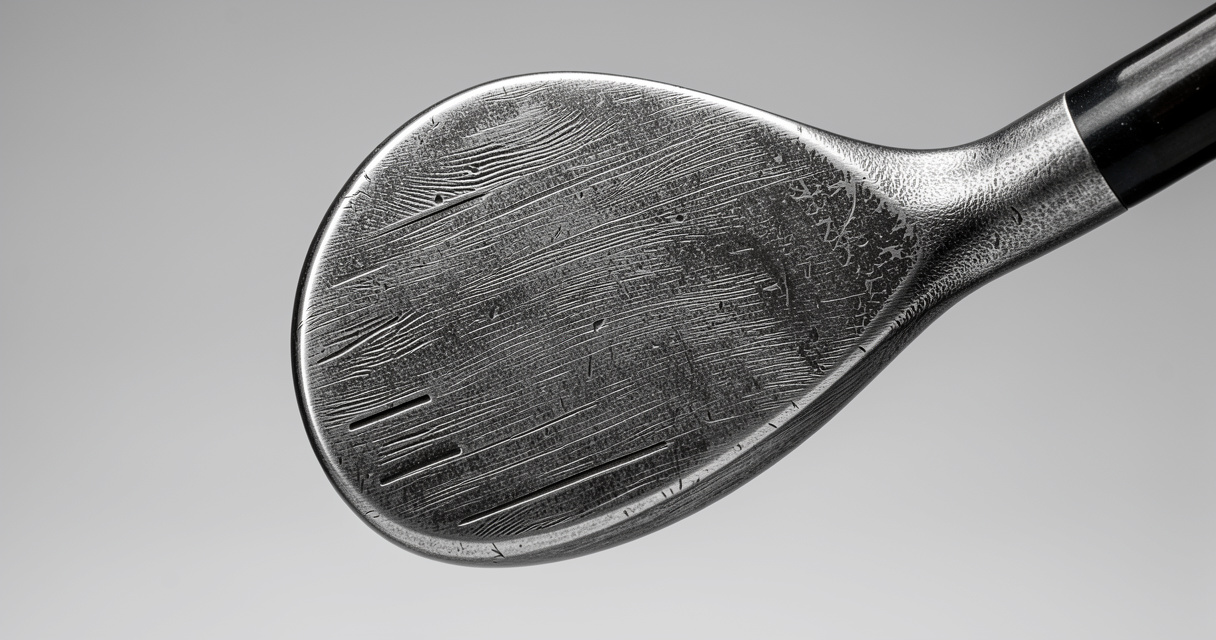
- Step 1: Heating — A precision-cut billet of carbon steel (usually 1020 or 1025) is heated to around 2,000°F until it glows orange. The steel becomes malleable but never molten.
- Step 2: Pressing — The red-hot billet is placed between two dies and slammed with a hydraulic press at up to 2,500 tons. The steel flows into the die cavity, forming the basic head shape. This is repeated up to six times to refine the shape.
- Step 3: Finishing — The rough forging is trimmed of excess metal (flash), then milled, ground, and polished to final specifications. Grooves are cut, and the hosel is bored. The entire process takes about 15 minutes per head — compare that to a few seconds for a cast head.
This is the same basic process Bobby Jones’s irons went through in the 1920s, refined by precision machinery. The result? A clubhead with what metallurgists call “grain flow” — the metal fibers follow the shape of the club, rather than being broken up by a mold. That’s why a well-struck forged iron feels like butter, and a mis-hit tells you exactly where you missed. Bobby Jones figured this out in 1928.
What Forging Is Not (Common Misconceptions)
- Forged does not automatically mean “better” — it means different.
- Forged does not mean “handmade” — modern forging is highly automated.
- Not all forged irons are blades — many cavity back irons (like the Mizuno JPX Forged) are forged.
- Forged irons are not necessarily more expensive to manufacture; the cost comes from slower production and finishing.
Now that we understand the “what,” let’s look at the real-world differences between forged and cast irons. Walk the course. You’ll understand.
Forged vs Cast Irons: Key Differences at a Glance
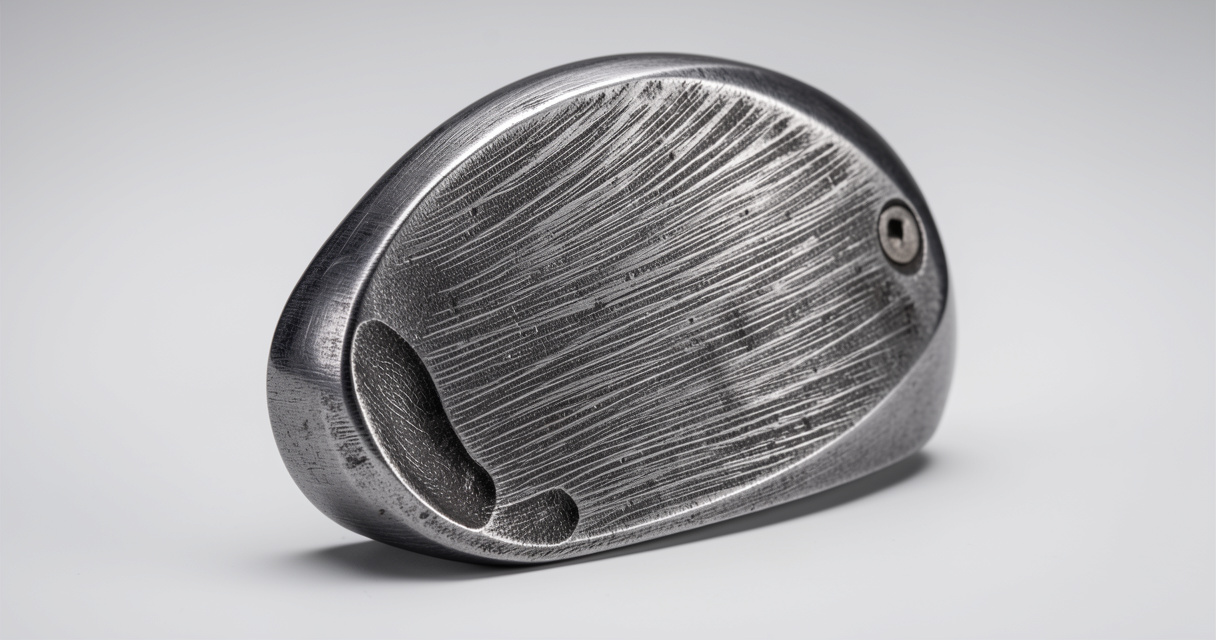
Here’s the table Google will likely pull as a featured snippet — and it’s the fastest way to compare these two club families. According to Stitch Golf (2024), cast irons make up about 90% of golf clubs available for purchase. That stat alone should tell you something: forged irons are a specialized tool, not a universal upgrade.
| Feature | Forged Irons | Cast Irons |
|---|---|---|
| Feel | Soft, buttery, responsive | Firmer, can be dampened with inserts |
| Forgiveness | Low — smaller sweet spot | High — perimeter weighting |
| Workability | Excellent — easy to shape shots | Moderate — designed for straight flight |
| Price | $1,000–$1,500 per set | $500–$1,200 per set |
| Best For | Low-handicap players (0–10) | Mid-to-high handicappers (10+) |
| Typical Shape | Blade or compact cavity back | Large cavity back or game-improvement |
Feel and Feedback
I’ve played that shot a thousand times — a 5-iron from a tight lie, hit just a groove low. With a forged club, I know immediately: that one’s coming up ten yards short. With many cast irons, the feedback is muted. The grain flow in forged steel transmits vibration directly up the shaft. Cast heads, especially those with polymer inserts, absorb some of that signal. The GOLFTEC blog (2024) confirms that forged irons deliver a softer, more responsive feel and provide greater feedback and control. But here’s the twist: modern cast irons like the TaylorMade P790 use SpeedFoam to dampen harshness while still giving decent feedback. That’s not a tip — that’s a truth.
Forgiveness and Sweet Spot
Forgiveness is where cast irons run away with the game. Because casting allows engineers to move weight to the perimeter (heel, toe, sole), cast irons have a higher moment of inertia (MOI) — making them twist less on off-center hits. Forged irons, especially blades, have a compact head with most weight behind the sweet spot. If you strike it there, magic. If you miss by half an inch, you’re losing 15 yards. The game doesn’t owe you anything.
Workability and Shot Shaping
Want to hit a controlled fade under a tree? Forged irons let you manipulate the face angle and swing path to curve the ball with precision. The dense grain structure and compact profile give you immediate feedback on your swing adjustments. Cast irons are designed to launch the ball high and straight — that’s great for scoring, but if you need to shape shots, they fight you. This is why every PGA Tour professional who shapes the ball uses or has used forged irons at some point. Many PGA Tour players use a combination of both forged and cast irons (Stitch Golf, 2024), blending workability in the short irons with forgiveness in the long irons.
Design Flexibility and Aesthetics
Cast iron is a designer’s dream. You can undercut cavities, add channels, move mass to three different zones — all in one head. Forged heads are limited by the need to create a single solid piece; you can’t easily undercut or add complex cavities without compromising the integrity of the forging. That’s why forged irons tend to have simpler shapes — but also why they look so clean at address. If you grew up admiring Phil Mickelson’s blade-style irons, that’s forged.
So far, it sounds like cast is the easy winner for most players. But hold that thought — the feel conversation isn’t over. Let’s dive deeper into why forged feels different, and whether your game actually benefits from it.
The Feel Myth: Do Forged Irons Really Feel Softer?
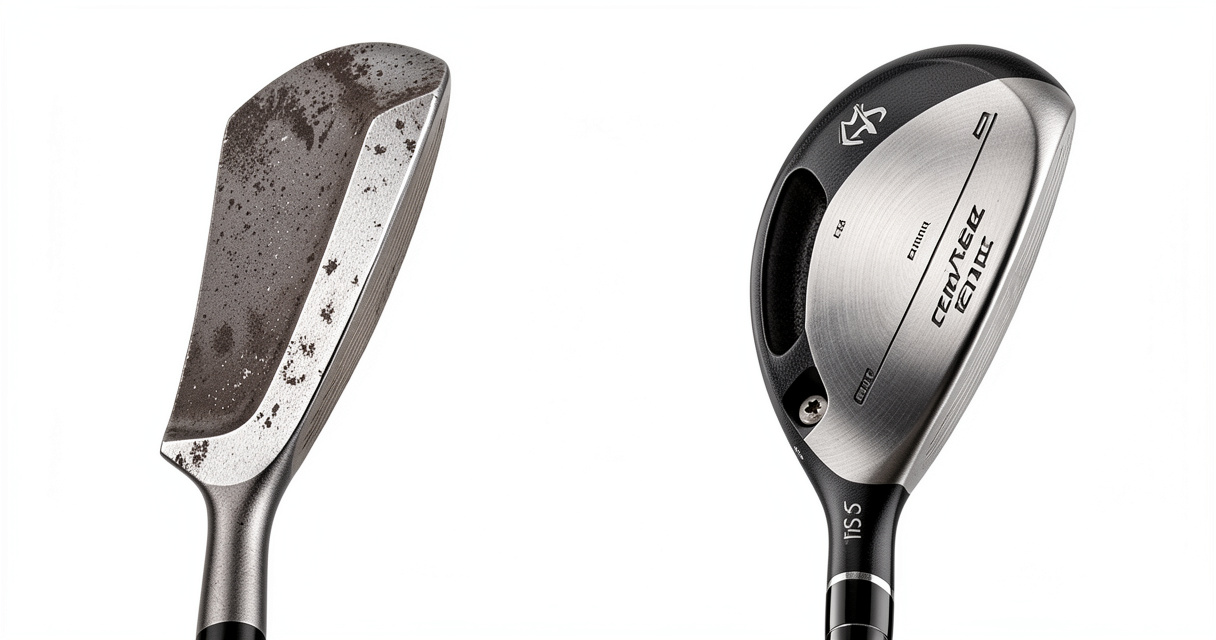
I’ve hit enough shanks to know the difference between a pure shot and a failure. Forged irons don’t automatically make every strike feel like a marshmallow. Here’s the truth: many factors influence feel — the material (carbon steel vs. stainless), the shaft, the grip, even the golf ball. Forged heads tend to be made from softer carbon steel (usually 1025 or 1030), which naturally dampens vibration more than the harder stainless steels used in cast heads. But the real secret is grain flow.
What Creates the Sensation at Impact
When the clubface strikes the ball, a shockwave travels through the head and up the shaft. In a forged head, the continuous grain flow allows that wave to travel evenly and predictably, producing a crisp, pure sensation. In a cast head, the grain structure has been broken and re-formed, creating microscopic discontinuities that scatter the wave — leading to a harsher or more muted feel. But that’s only part of the story. The GOLFTEC blog (2024) notes that forged irons deliver a softer, more responsive feel, but it also says modern cast designs with elastomer inserts can replicate much of that sensation. Those inserts work like earplugs for your hands — they absorb the harsh frequencies while letting the low, solid thud through.
When Cast Irons Can Feel Just as Good
Let me tell you about a 14-handicap friend of mine. He switched from a set of forged blades he’d been playing for ten years (thinking he needed them for feel) into a cast cavity-back set from Ping. After two rounds, he told me, “Honestly, these feel better than the blades. I can’t tell the difference except I’m hitting more greens.” That’s not a fluke. Many mid-handicappers discover that a well-engineered cast iron with vibration-dampening technology feels as good as — or better than — a forged head that they weren’t striking consistently. The feeling of a solid strike is 80% about hitting the middle of the face, and only 20% about the manufacturing process.
So, before you buy forged irons for the “feel,” ask yourself: do you strike the ball in the sweet spot most of the time? If not, no amount of forging will make your mishits feel good. The game doesn’t owe you anything.
Now, let’s break it down by skill level — because that’s where the decision really gets personal.
Who Should Play Forged Irons? (Skill Level Guide)
During my years around the game, I’ve seen players of all levels try forged irons. Some adapt, others curse them after three rounds. Here’s a straightforward breakdown based on handicap. The key is honesty — about your game, your practice time, and your goals.
Low Handicap (0-10)
This is the sweet spot for forged irons. If you strike the ball consistently, you will benefit from the feel, workability, and feedback. You can shape shots into greens, flight the ball down in the wind, and trust that a well-struck forged iron will produce the same distance every time. Most tour players fall here, and the vast majority use forged irons (often in combo sets).
Mid Handicap (10-18)
This is the gray area. If you’re on the lower end (10-13) and you practice regularly, you might benefit from a forged cavity-back iron — the Mizuno JPX Forged or Titleist T200 are popular choices. But if you’re 14+ and your ball-striking is inconsistent, forged irons will hurt your scores. The smaller sweet spot means you’ll lose distance on mishits that a cast iron would forgive. The feel might be nice on your one pure strike per round, but the other 17 holes will be a grind.
High Handicap (18+)
Generally not advised. Your swing variation is too large to benefit from the precision of forged irons. You need maximum forgiveness: large cavity backs, perimeter weighting, low center of gravity. Cast game-improvement irons like the Callaway Big Bertha or TaylorMade Stealth are designed for you. However, if you’re a high handicapper who plays once a month but loves the look and feel of forged irons, you can play them — just know that you’ll score higher than you might with a more forgiving set. The choice is yours.
Signs You’re Ready for Forged Irons
- You hit the center of the face consistently (7 out of 10 shots).
- You want to shape shots (fade, draw) intentionally.
- You practice at least twice a week.
- You can predict your miss (slice, hook, or thin).
- You value feel over pure forgiveness.
If you checked four of those five, you’re ready. If not, stick with cast irons for now — your handicap will thank you.
Top Forged Iron Models of 2026 (And What They Cost)
Let’s talk hardware. The forged iron market in 2026 is more diverse than ever. You have pure blades for purists, compact forged cavities for better players who want a little help, and even forgiving forged options. Here are five models that define the category right now.
| Model | Type | Lofts (4i) | Price (Set) | Best For |
|---|---|---|---|---|
| Mizuno Pro 243 | Forged cavity back | 24° | $1,400 | Mid-handicap with consistency |
| Titleist T100 | Forged cavity back | 24° | $1,500 | Low-to-mid handicap |
| Srixon ZX7 Mk II | Forged cavity back | 24° | $1,300 | Better players who want workability |
| Callaway Apex Pro | Forged cavity back | 24° | $1,450 | Low-to-mid handicap with AI face |
| PXG 0311 P Gen6 | Forged cavity back | 24° | $1,500 | Mid-handicap wanting feel + forgiveness |
Player’s Forged Irons (Blades/Compact)
If you want a true blade — the kind Ben Hogan would recognize — look at the Mizuno Pro 241, Titleist 620 MB, or Srixon Z-Forged II. These have no cavity, minimal offset, and a thin topline. They demand perfect striking but reward with unparalleled feel. Price range: $1,200–$1,600.
Forged Cavity Backs (More Forgiveness)
Most forged irons sold today are actually cavity backs — like the ones in the table above. They combine the grain flow of forging with perimeter weighting, offering a balance of feel and forgiveness. The Mizuno JPX923 Forged (still popular) and the new Titleist T150 fit here. These are ideal for 10-18 handicappers who want to upgrade from game-improvement sets.
Budget-Friendly Forged Options
Not everyone can drop $1,400 on irons. Look at the Takomo 101 (forged, around $800 per set direct-to-consumer) or the Sub 70 699 Pro V2 (around $900). These are lesser-known brands that offer forged construction at a fraction of the big-name price. Used forged irons from 3-5 years ago (like the Mizuno MP-20 or Titleist 718 AP2) are also great finds for under $600.
Now, how do you actually decide between forged and cast? Let’s walk through a practical decision process — the same one I use with playing partners.
How to Choose Between Forged and Cast Irons
I’ve seen too many players buy forged irons because their favorite tour pro uses them, then sell them three months later. Don’t be that guy. Here’s a three-step process to make the right call.
Step 1: Honestly Evaluate Your Game
- Handicap: Above 18? Don’t even think about forged blades. Consider forged cavity backs only if you’re below 15 and strike the ball well.
- Ball striking: Do you hit the center of the face 6 out of 10 times? If not, cast irons will reduce your blow-up holes.
- Desire for shot shaping: If you always aim for the middle of the green and rarely need to bend it, forged is overkill.
Step 2: Test Before You Invest
Go to a fitting center or driving range that has both forged and cast irons. Hit at least 10 balls with each. Pay attention not to feel alone, but to dispersion pattern. Which club gives you a tighter grouping? Which one mishits still stay on the green? The data from a launch monitor (ball speed, spin, carry distance) will tell you more than any review online. Many PGA Tour players use a combination of both forged and cast irons (Stitch Golf, 2024) — study their bag builds to see how they blend sets.
Step 3: Factor in Resale and Durability
Forged irons, especially those made from soft carbon steel, can wear grooves faster than stainless steel cast irons. But they are also easier to adjust (bend lofts/lies). Cast irons are more durable in terms of grove life, but if you want to adjust them repeatedly, you risk cracking. If you plan to keep irons for 5+ years, consider stainless steel forged (rare) or a durable cast set. Used forged irons can be a value buy, but check groove depth and face condition.
Warning
Don’t buy forged irons just because the pros use them. They require consistent ball striking. If you average 20+ putts per round, your irons aren’t the problem.
By now you should have a clear idea of which path to take. But before you decide, let me answer the questions I hear most often from new golfers.
Frequently Asked Questions About Forged Irons
Are forged irons better than cast irons?
It depends on your skill level. Forged irons offer superior feel and workability but less forgiveness, making them better for low-handicap players. Cast irons are more forgiving and often better for beginners and high-handicappers.
Do forged irons feel softer?
Many golfers perceive forged irons as softer because the single-piece construction and grain flow dampen vibration. However, modern cast irons with vibration-dampening inserts can feel very similar.
Can beginners use forged irons?
Technically yes, but it’s not recommended. Forged irons have a smaller sweet spot and less forgiveness, which can frustrate beginners. Start with cast cavity-back irons and switch to forged as your consistency improves.
What are the disadvantages of forged irons?
Main disadvantages: less forgiveness on mishits, higher cost (typically $1000+ per set), limited design flexibility (usually blades or traditional shapes), and they can wear faster if made from soft carbon steel.
How long do forged irons last?
With proper care, forged carbon steel irons can last 10+ years. The grooves may wear faster than stainless steel cast irons, but the clubheads are durable. You can have lofts and lies adjusted multiple times.
Do any PGA Tour players use cast irons?
Yes, some tour players use cast irons or combo sets. For example, TaylorMade P790 (cast) is used by several pros. Most prefer forged for the feel, but cast technology has improved significantly.
What is the difference between forged and blade irons?
All blades are forged, but not all forged irons are blades. Blades are a specific head shape (muscle-back) with no cavity. Forged irons can also be cavity backs (e.g., Mizuno JPX Forged) that offer more forgiveness.
Final Verdict: Should You Buy Forged Irons in 2026?
Here’s what it comes down to: forged irons are about feel and control; cast irons are about forgiveness and distance. If you strike the ball consistently — say, seven out of ten shots hit the center of the face — and you want the ability to shape shots, go forged. If you want to lower your scores through more greens in regulation and fewer blow-up holes, go cast.
Remember: the game doesn’t owe you anything. A forged iron won’t make you a better golfer overnight. But it might make your good shots feel even better — and that’s worth something. So, the next time you’re in a golf shop, don’t just look at the price tag — ask yourself: am I ready for the feel of forged, or do I need the forgiveness of cast?
Walk the course. You’ll understand.

Playing golf since before GPS rangefinders existed. Eddie covers the classic game — courses, technique, and the stories worth keeping.